

Ford F-150 Door Replacement Cost – OEM Pricing & What to Expect
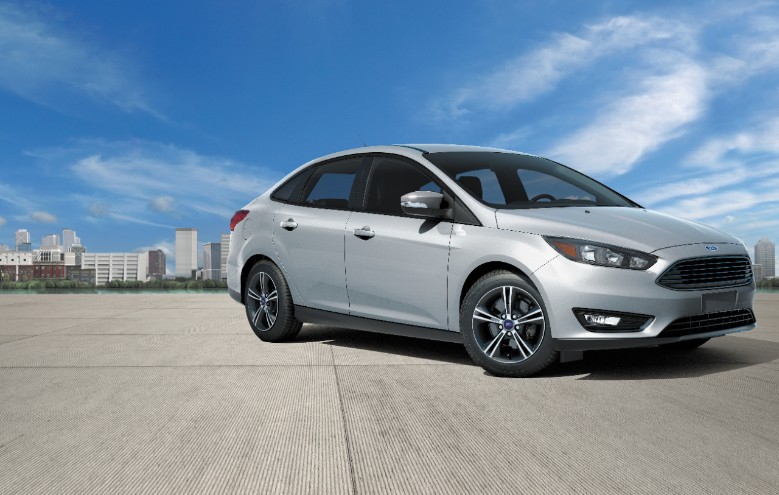
The 2013 Ford Focus catalytic converter is a critical component in maintaining clean emissions, efficient combustion, and overall engine performance. It transforms harmful exhaust gases into safer compounds before they exit through the tailpipe. When the converter begins to fail, drivers may notice reduced power, increased fuel consumption, rattling noises, or check-engine lights caused by efficiency-related fault codes. Installing a genuine OEM catalytic converter ensures the Focus continues to perform with the precision Ford engineered into the vehicle.
OEM catalytic converters are designed to meet strict emissions standards and integrate perfectly with the Focus’s exhaust flow and oxygen sensor feedback. Unlike aftermarket units that often lead to recurring issues, OEM Ford converters maintain proper backpressure, correct temperature resistance, and reliable compatibility with the vehicle’s onboard diagnostics. This prevents nuisance codes like P0420 and protects the overall performance of the engine.
A failing catalytic converter also affects other connected components. When backpressure becomes too high or internal materials break down, the exhaust system can become restricted, triggering misfires or damage to oxygen sensors. Choosing the correct OEM replacement restores smooth throttle response, emissions compliance, and balanced exhaust flow. This is especially important for 2013 Focus models that depend heavily on accurate sensor readings to manage fuel trimming and ignition timing.
Symptoms like a sulfur smell, sluggish acceleration, or metallic noises underneath the vehicle often signal internal converter degradation. Addressing the issue early helps prevent further mechanical problems and ensures the Focus remains road-legal in areas that require emissions testing. With an OEM Ford converter, you maintain the correct performance standards and long-term durability expected from the vehicle.
Why Choose OEM Ford Catalytic Converters?
• Meets Ford’s exact emissions and performance standards
• Direct-fit design eliminates modification and ensures perfect fitment
• Engineered for long-term temperature durability and consistent exhaust flow
• Prevents emissions-related fault codes and diagnostic issues
• Protects downstream and upstream oxygen sensors
• Restores proper engine efficiency, power, and compliance
Popular Related Categories
FAQs
What are the most common signs of a failing catalytic converter?
Drivers often notice reduced engine performance, sulfur-like smells, poor fuel economy, or check-engine lights indicating catalyst efficiency issues.
Why should I choose an OEM converter instead of an aftermarket one?
OEM Ford converters maintain exact emissions performance, proper fitment, and reliable sensor communication—aftermarket versions frequently cause repeated issues.
Can a bad catalytic converter reduce fuel efficiency?
Yes. A failing converter restricts airflow and causes the engine to burn more fuel, reducing overall efficiency.
Is it necessary to replace oxygen sensors during converter replacement?
Not always, but it’s recommended to inspect them. Faulty sensors can cause improper readings that may shorten the life of a new converter.
A genuine OEM catalytic converter ensures your 2013 Ford Focus continues to run cleanly, efficiently, and in full compliance with emissions standards. Restore performance and reliability with a replacement designed specifically for your vehicle.